Wimpole Hair Transplant Clinic UK Logo Book Consultation Call us Call Email us Email Wimpole Clinic Locations Locations 12 Reasons Your Scalp Itches a Day After Washing and How to Treat Them Share on Twitter Share on Facebook Share on LinkedIn Share Home » 12 Reasons Your Scalp Itches a Day After Washing and How to Treat Them Reading time: 9 min. 12 Reasons Your Scalp Itches a Day After Washing and How to Treat Them Dr Meena Zareie (GMC) Medically reviewed by Dr Meena Zareie (GMC) — Updated on December 29, 2025 Waking up to your scalp itching a day after washing your hair can be frustrating and concerning, especially if it is accompanied by hair loss. You may be wondering if the discomfort comes from the hair products you use or whether you’re experiencing one of the many common scalp problems. The good news is that most often, scalp itching is not serious and will go away once its underlying cause is addressed. That is why it is important to figure out the reason why you’re experiencing pruritus (itchy skin) and to get the most appropriate treatment for your condition. Continue reading to find out all you need to know about an itchy scalp a day after washing: The main causes for experiencing scalp itch and their treatment Substances found in hair care products which cause itchiness The relationship between an itchy scalp and hair growth Ways to get relief for an itchy scalp Table of Contents Why does my scalp itch a day after washing my hair? 1. Dandruff 2. Psoriasis 3. Pediculosis capitis (head lice) 4. Lichen simplex chronicus 5. Contact dermatitis (allergic reaction) 6. Atopic dermatitis 7. Tinea capitis (ringworm) 8. Folliculitis 9. Psychosomatic conditions 10. Irritants in hair care products 11. Side effects of hair growth medication 12. Idiopathic pruritus Can hair products make my scalp itch? How do I stop my scalp from itching after shampooing? Why does my scalp itch all day long? Does your hair itch when it grows? How to get relief for an itchy scalp My itchy scalp is accompanied by hair loss Why does my scalp itch a day after washing my hair? There are many possible causes of an itchy scalp, but only some of them persist even after you have just cleaned your hair the day before. The most common of these include [1][2]: 1. Dandruff Dandruff on hair Dandruff is a skin condition which causes white or yellow flakes to appear on your scalp. It can have several causes, such as seborrheic dermatitis, allergic reactions, eczema, psoriasis or fungal infection with Malassezia Symptoms: dry, flaky scalp, erythema (red patches), hair loss Treatment: Ketoconazole, selenium sulphide, zinc pyrithione, coal tar, salicylic acid, tea tree oil [3] 2. Psoriasis Psoriasis on the hairline Scalp psoriasis is an autoimmune condition which affects 2% of the UK population. It manifests as hard, flaky plaques on the scalp. Symptoms: hardened, scaly plaques on the scalp which give off silvery flakes, itchiness, soreness, hair loss Treatment: steroid creams, salicylic acid, emollients 3. Pediculosis capitis (head lice) Lice and nits in hair Head lice are small parasites that feed on the blood in your scalp. They are common in children and spread through direct transfer from the hair of someone already infected. Symptoms: itchiness, the sensation of movement on your scalp Treatment: topical pediculicides (permethrin, malathion), wet combing, oral ivermectin 4. Lichen simplex chronicus Lichen simplex chronicus This is a scalp disorder caused by intense scratching or rubbing, triggered by previous hair conditions, such as dermatitis, but also by psychogenic factors, such as anxiety or obsessive-compulsive disorder Symptoms: dry, scaly, thickened skin, itchiness, brush-like broken hairs, alopecia. Treatment: topical corticosteroids or, by case, psychological therapy. 5. Contact dermatitis (allergic reaction) Contact dermatitis Also known as an allergic reaction, contact dermatitis occurs when the scalp is exposed to an allergen that you are sensitive to. Symptoms: itchiness, swelling, inflammation, dry, cracked, weeping and sore skin. Treatment: thoroughly removing the allergen from the scalp, topical corticosteroids. 6. Atopic dermatitis Atopic dermatitis This type of eczema can be triggered by allergies, irritants or environmental factors, skin infections or hormonal changes. Eczema and hair loss aren’t usually linked, though intense or persistent itching can result in thinning patches. Symptoms: flare-ups of dry, cracked, itchy skin, sometimes with weeping red patches, scabs on scalp. Symptoms of follicular eczema include rough goosebumps on specific areas of skin. Treatment: limiting exposure to triggers, topical corticosteroids 7. Tinea capitis (ringworm) ring worm (tinea capitis) on the scalp Ringworm is a common fungal infection which is spread through skin-to-skin contact with someone who already has it. Symptoms: red, ring-like, scaly, dry and itchy rash. Treatment: oral antifungals, ketoconazole, selenium sulphide 8. Folliculitis Folliculitis This inflammation of the hair follicle is usually caused by a bacterial infection, but it can also be brought on by irritated or blocked follicles. In rare cases, patients can develop folliculitis after a hair transplant. Symptoms: red, tender and itchy bumps or pustules on the scalp. Your scalp may feel tender in one spot or all over. Treatment: warm compresses, antibacterial or antifungal shampoo 9. Psychosomatic conditions itchy scalp You may have heard of hair loss from stress, but did you know that stress and anxiety can sometimes also lead to a tender or itching scalp? Trychodinia, or burning scalp syndrome can also produce itching alongside pain in patients with anxiety or depression, comorbid with androgenetic alopecia (male pattern baldness) or telogen effluvium. Symptoms: scalp tenderness, burning, tingling or itching Treatment: by case, stress management, psychotherapy, antidepressants, anxiolytics 10. Irritants in hair care products Irritants in hair care products Hair care products such as hair dye or bleach, shampoos or conditioners can contain substances that dry out or irritate your scalp (e.g. sulphates, parabens, silicone, etc.). Symptoms: scalp redness, swelling, tenderness, itching Treatment: removing the irritants from the scalp and using a formula which does not contain irritants, antihistamine or corticosteroid cream if needed The 25 Most Effective Dry Scalp Treatments Expert Review 2024 Recommended The 27 Most Effective Dry Scalp Treatments: Expert Review 2026 11. Side effects of hair growth medication hair growth medication side effects Hair loss medication such as topical Minoxidil, Finasteride or Rosemary oil for hair growth can have unwanted side effects in some patients, causing scalp irritation. Symptoms: a rash on the scalp, redness and itching Treatment: stop using the medication and consult your trichologist for recommendations 12. Idiopathic pruritus Idiopathic pruritus As its name shows, the causes of idiopathic pruritus are unknown, as there is no identifiable health condition that could lead to it. It is often accompanied by generalised, whole-body itchiness. Symptoms: scalp (and often body) itchiness Treatment: tar-based shampoos, antihistamines, antidepressants Can hair products make my scalp itch? Yes, there are substances in commonly used hair care products, such as shampoo, conditioner or hair dye which can leave you with a dry and itchy scalp or trigger contact dermatitis. The most notorious of these are: Parabens Sulfates Phtalates Formaldehyde Alcohols Synthetic fragrances Synthetic dyes If you are looking for the best shampoo advice to keep your scalp clean and healthy and prevent itchiness and hair loss, do not hesitate to see a trichologist. They will be able to make personalised recommendations for the best and worst shampoos for your particular type of hair and scalp. Shampoos that may help with scalp and hair problems 10 best 2-in-1 Shampoo and Conditioner for Hair Growth in 2025 10 Best Hair Loss Shampoos That Work for Men: Expert Review 2025 7 Best Shampoos for Thinning Hair to Treat the Cause of Hair Loss 15 Best Hair Growth Shampoos 2025 How do I stop my scalp from itching after shampooing? If you have noticed that your scalp only itches right after shampooing and then the discomfort subsides in the following days, you can be fairly certain that your scalp is reacting to one or more of the components in the product you are using. This could either be due to experiencing an allergic reaction to one of the substances in it or because it contains irritants which are harmful to your scalp. In this case, you may want to consider the following tips: Switch to a different shampoo with a hypoallergenic formulation which is free from common irritants such as sulphates, parabens, etc. Test all hair products on a small patch of skin before applying it to your scalp. If you’re not sure which ingredients you’re allergic to, consider getting an allergy test. Learn more about hair tests for allergies. Wash your hair frequently and rinse it thoroughly to clean out hair product buildup and debris. Find out how often you should wash your hair to keep it strong and healthy. Avoid overusing spray/powder shampoo, as dry shampoo does not cause hair loss, but using it more than twice a week can lead to buildup which can irritate your scalp. Always keep your scalp moisturised, especially if it tends to be on the dry side. If you have followed these suggestions and your scalp still itches a day after washing your hair, it is time to see a dermatologist or a trichologist to rule out an underlying condition. Why does my scalp itch all day long? If your scalp pruritus is permanent and does not subside after some time has passed since the last wash, it may not necessarily have been caused by the hair cleaning products you have been using (although, in some cases, it can take contact dermatitis days and even weeks to clear up). Since there are so many possible causes for experiencing an itchy scalp, only a dermatologist or hair specialist can give you an accurate diagnosis, after learning your medical history and examining you for other symptoms. If your condition is less common or more difficult to diagnose, you may be recommended specific tests, such as a dermoscopy or a scalp biopsy to get to the root of the problem. Does your hair itch when it grows? If you have been undergoing hair growth treatment or had a recent hair transplant, you may be wondering if an itchy scalp means your hair is growing. Sadly, there is little evidence to support that. While there have been isolated reports of people experiencing scalp pruritus due to their hair growing out from medication, science says this was more likely a side effect of the treatment they were using. Some of the users can get an itchy scalp from Minoxidil, Finasteride or even herbal remedies such as rosemary oil, as they can cause rashes and irritation [4][5][6]. However, after hair restoration surgery, you might experience some mild itchiness as your hair transplant is healing. Be sure to avoid temptation to scratch, as your hair grafts are sensitive and can come out easily if not properly healed. The slight discomfort will be worth it to get the best hair transplant results. hair transplant scabs After day or two from a hair transplant, the grafts will scab and may itch How to get relief for an itchy scalp The most effective way to get relief for an itchy scalp is to have it diagnosed and get a treatment recommendation from a scalp health professional. However, if you are looking for some temporary remedies or home treatments for a dry scalp [7] while you are waiting for your appointment, doing the following things could help ease your discomfort: warm olive oil can relieve an itchy scalp Warm olive oil – Massaging it gently into your scalp and leaving it on for a few hours will soften your skin and loosen itchy crusts. Colloidal oatmeal – Washing your hair with the leftover water in which you had previously soaked oats can create a protective film on your scalp which locks in moisture, preventing dryness and flaking and reducing inflammation. Apple cider vinegar – Applying a 1:1 solution of water and vinegar and washing it out after a few minutes can relieve your itch, due to its antifungal, antibacterial and disinfectant properties. It works especially well for scalp psoriasis. However, do not use this remedy if you have sores or blisters on your scalp. Peppermint oil – Add a couple of drops to your shampoo for a cooling, soothing menthol effect. It works particularly well for skin allergies, but also for pregnancy-related itching [8]. Lemongrass oil – A study of 30 participants showed that applying a 10% lemongrass oil hair tonic twice a day for 2 weeks resulted in an 81% reduction in dandruff [9]. essential oils for hair growth Recommended The Best Essential Oils for Hair Growth My itchy scalp is accompanied by hair loss If your scalp pruritus also comes with hair shedding, it is even more important to see a trichologist as soon as possible, to prevent your hair loss from getting worse or to make sure you don’t develop scarring alopecia. Sometimes, hair loss and itchiness can have the same cause, as it happens in the case of dandruff, contact dermatitis or scalp psoriasis. At other times, they can be independent of each other and aside from an itching scalp you may be experiencing the first signs of hair thinning and balding. If you are a postmenopausal woman, it might help to seek out the best shampoo for menopausal hair loss and damage. Whatever the cause of your symptoms may be, ignoring them will usually make your condition worse. Book a consultation now at your most convenient clinic location and our hair specialists will help you remove all doubt about why your scalp is itchy after washing and why your hair is falling out. Then, they will recommend the most appropriate medication and therapy for your condition, so your hair and scalp will be happy and healthy once more. 12 Reasons Your Scalp Itches a Day After Washing and How to Treat Them, Wimpole Clinic Sources: Scalp pruritus – scratching for answers 10 Reasons Your Scalp Itches and How to Get Relief How to treat dandruff Rosemary oil vs minoxidil 2% for the treatment of androgenetic alopecia: a randomized comparative trial Topical finasteride for male and female pattern hair loss: Is it a safe and effective alternative? A Case of Contact Allergic Dermatitis to Topical Minoxidil Home and natural remedies for an itchy scalp The Effect of Peppermint Oil on Symptomatic Treatment of Pruritus in Pregnant Women Anti-dandruff Hair Tonic Containing Lemongrass (Cymbopogon flexuosus) Oil Dr Meena Zareie (GMC) Medically reviewed by Dr Meena Zareie (GMC) — Updated on December 29, 2025 The Wimpole Clinic offers FUE Hair, Beard & Eyebrow Transplants & Trichology. Talk to a specialist ☎ 020 7935 1861. Blog search Keywords... Search Hair transplant free consultation Hair Transplant UK Hair Transplant Cost 2026: Average Price & Cost Per Graft Hair Transplant Hair Transplant Recovery: What to Expect Hair Transplant Hair Transplant Costs In Turkey: Are Low Costs Worth The Risk? Hair Supplements and Diet Minoxidil Guide: Uses, Results & Side Effects Hair Loss Is My Hair Thinning Or Am I Paranoid? The Signs Of Hair Loss Hair Loss Male Pattern Baldness: Causes, Stages & Treatment Options Hair Loss Finasteride Guide: Uses, Results & Side Effects Hair Loss Intermittent Fasting Hair Loss: Causes, Prevention, Treatment Hair Loss Keto Hair: Can a Keto Diet Cause Hair Loss or Hair Growth? Hair Transplant Shock Loss After Hair Transplant Surgery Hair Transplant 8 Ways Smoking Can Impact Hair Transplant Results Beard Moustache Transplant: Benefits, Costs, Risks and Results Hair Transplant Hair Transplant Timeline: Growth Chart, Stages, Month By Month Beard Beard Celebrity hair loss Celebrity Hair Transplant Eyebrow Eyebrows Female Hair Loss Forehead Reduction Hair Care Hair Loss Hair Supplements and Diet Main Category Hairstyles News Scalp Micropigmentation Sideburns Trichology Blog Book a consultation Simply fill in your details in the form below and we'll get in touch with you shortly. Name* Email* Phone* Choose Clinic Location* Message I consent to my information being used to contact me regarding my enquiry in accordance with our Privacy Policy I would like to receive information, promotions and offers via email 0207 935 1861 info@wimpoleclinic.com Wimpole Clinic Linkedin Page Wimpole Clinic Twitter Page Wimpole Clinic Facebook Page Wimpole Clinic Instagram Page Wimpole Clinic Youtube Channel Clinic Info About Us Locations Reviews Privacy Policy Terms & Conditions Blog & Insights About Hair Transplants FUE Hair Transplant FUT Hair Transplant Crown Hair Transplant Afro Hair Transplant Beard Transplant Eyebrow Transplant Trichology Low Level Laser Therapy Hair Transplant Finance Patient Before & After Frequently Asked Questions Free Consultation CareQuality Comission badge for Wimpole Clinic Opening Times Monday8:00 AM – 8:00 PM Tuesday8:00 AM – 8:00 PM Wednesday8:00 AM – 8:00 PM Thursday8:00 AM – 8:00 PM Friday8:00 AM – 8:00 PM Saturday10:00 AM – 5:00 PM SundayClosed Our Clinics London (HQ & Surgery) 2 Harley Street, London WIG 9PA London (Surgery) 18-22 Queen Anne Street London W1G 8HU Birmingham (Surgery) 214D Hagley Rd Birmingham, BI6 9PH Manchester (Surgery) 396 Wilmslow Road, Withinghton, Manchester M20 3BN Glasgow (Surgery) 13 Eaglesham Road, Clarkston, G76 7BU Newcastle (Surgery) 1 West Road Ponteland, Newcastle upon Tyne NE20 9SU Nottingham (Surgery) 124 Derby Rd, Long Eaton Nottingham, NG10 4LS Derby (Surgery) Temporarily closed for relocation. Services arranged via Nottingham clinic Cardiff (Surgery) Workspace Penarth, Albert Road, Penarth, Cardiff, CF64 1FD Leeds (Pre & Post Op) 2 Upland Rd, Roundhay, Leeds LS8 2SQ Liverpool (Pre & Post Op) 88 Rodney Street Liverpool, L1 9AR Leicester (Pre & Post Op) Temporarily closed for relocation. Services arranged via Nottingham clinic Bristol (Pre & Post Op) 5 Westfield Park, Redland, Bristol, BS6 6LT Brighton (Pre & Post Op) Queensbury House, 106 Queens Road Brighton East Sussex BN1 3XF Oxford (Pre & Post Op) John Eccles House, Robert Robinson Avenue, Oxford Science Park, Oxford, OX4 4GP Tunbridge Wells (Pre & Post Op) 6 Vale Avenue Pluto House Tunbridge Wells, Kent TN1 1DJ Winchester (Pre & Post Op) 5 & 6, City Business Centre 32 Hyde St. Exeter (Pre & Post Op) Regus, 1 Emperor Way, Exeter Business Park, Exeter, Devon, EX1 3QS Wimpole Platinum 15 Cavendish Square, W1G 0AN, London, United Kingdom New York (Pre & Post Op) 880 3rd Ave, New York, NY 10022, USA Wimpole Clinic Limited, incorporated in England & Wales (registration number 08072544), with its registered office at 2 Harley Street, West Central London, London, W1G 9PA. Wimpole Clinic Limited is authorised and regulated by the Financial Conduct Authority and entered on the Financial Services Register, reference number 698329. Copyright Wimpole Clinic - All Rights Reserved - Privacy Policy



12 Reasons Your Scalp Itches a Day After Washing and How to Treat Them

Why does my scalp itch a day after washing my hair?
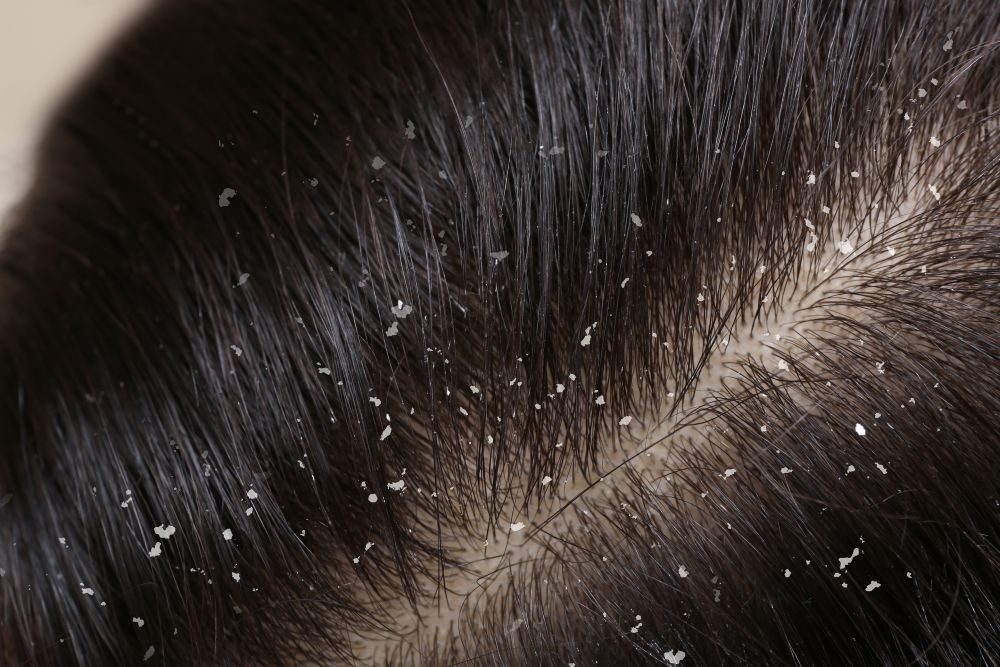
1. Dandruff
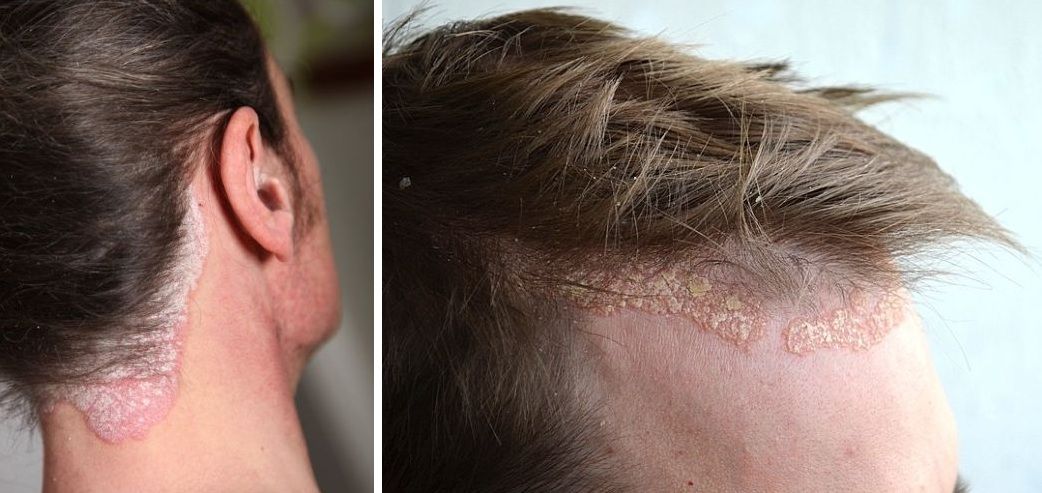
2. Psoriasis
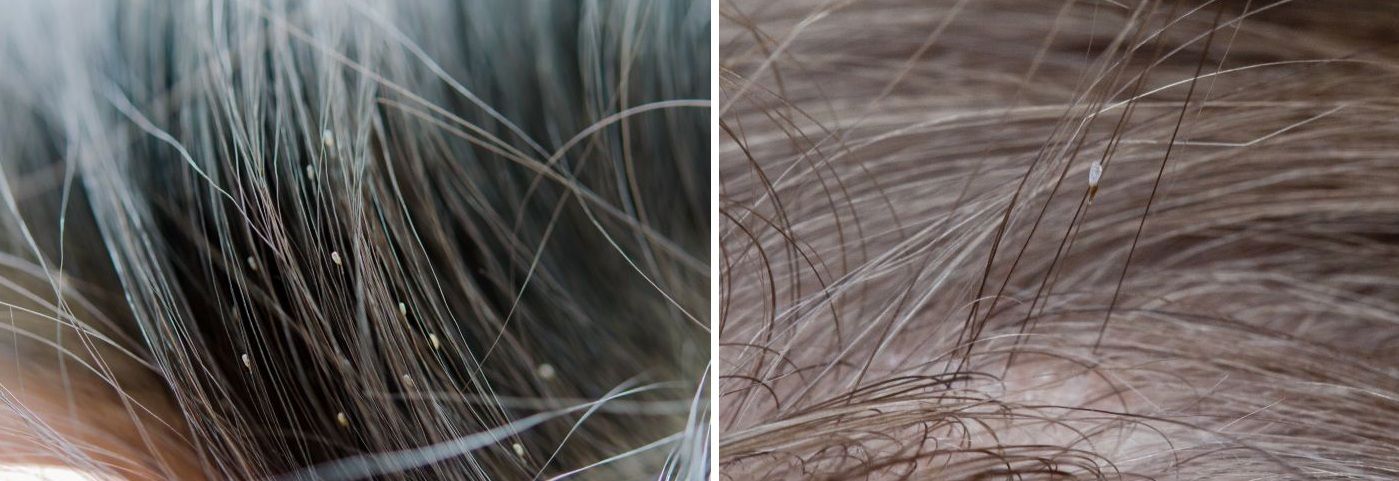
3. Pediculosis capitis (head lice)
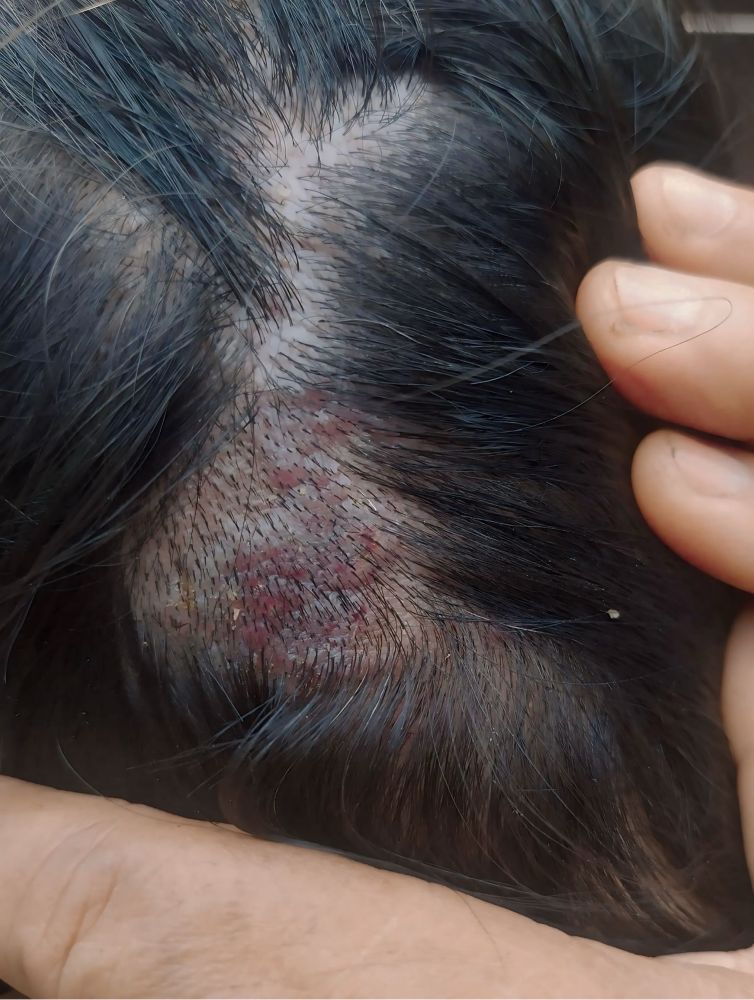
4. Lichen simplex chronicus
5. Contact dermatitis (allergic reaction)
6. Atopic dermatitis
7. Tinea capitis (ringworm)
8. Folliculitis
9. Psychosomatic conditions
10. Irritants in hair care products
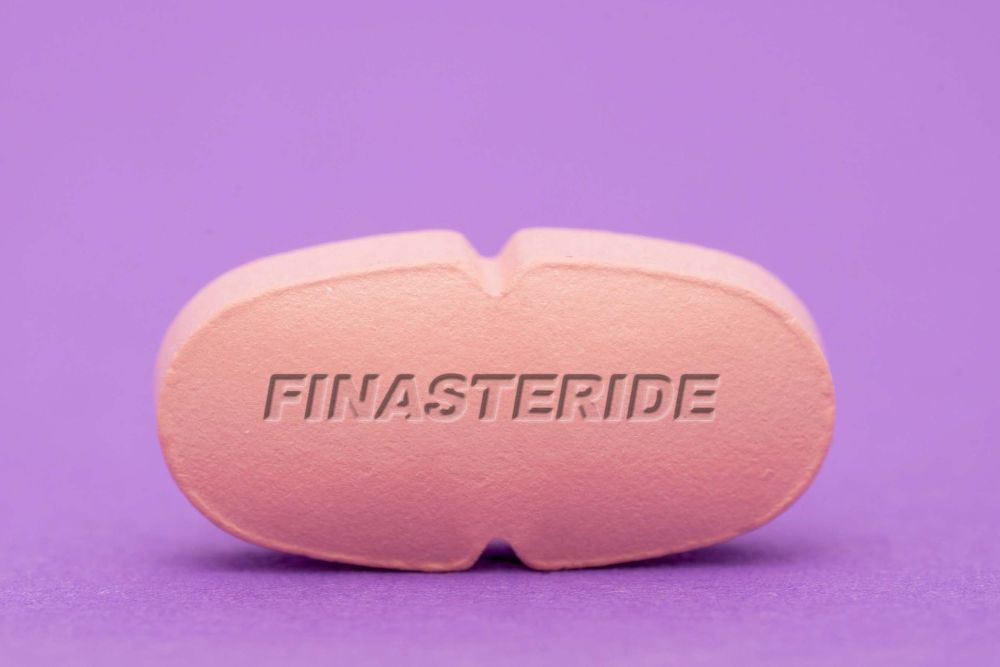
11. Side effects of hair growth medication
12. Idiopathic pruritus
Can hair products make my scalp itch?
Shampoos that may help with scalp and hair problems
How do I stop my scalp from itching after shampooing?
Why does my scalp itch all day long?
Does your hair itch when it grows?
How to get relief for an itchy scalp
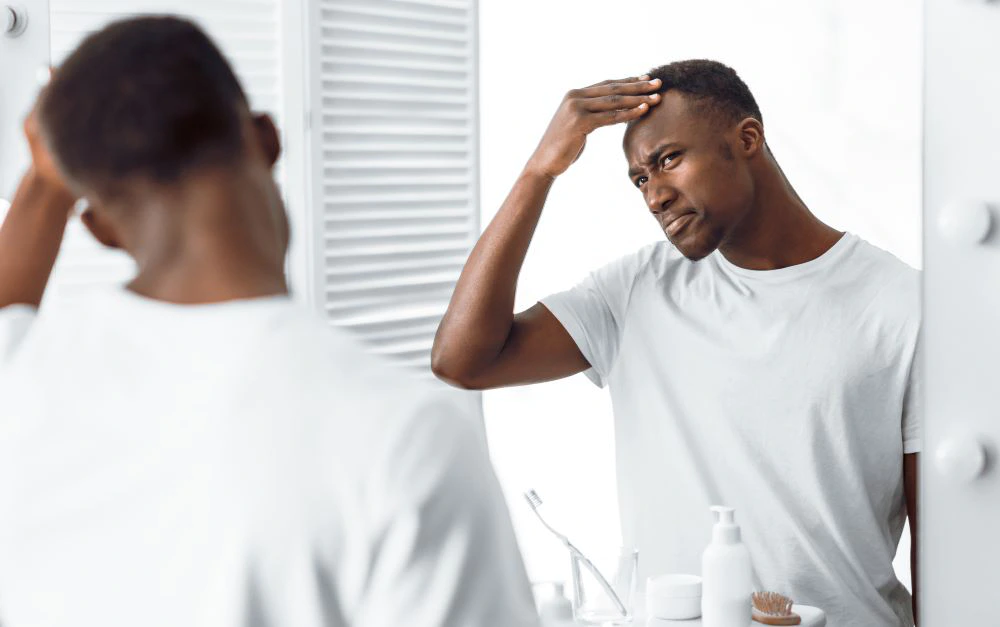
My itchy scalp is accompanied by hair loss

Blog search



Book a consultation
and How to Treat Them
Dr Meena Zareie (GMC) — Updated on December 29, 2025







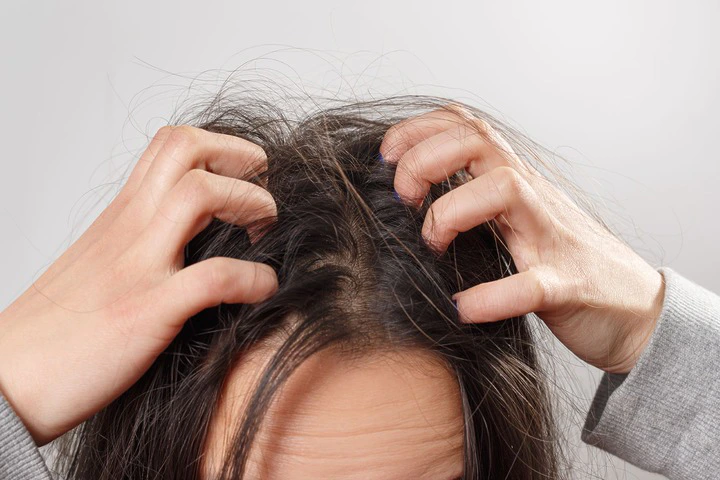
My itchy scalp is accompanied by hair loss
If your scalp pruritus also comes with hair shedding, it is even more important to see a trichologist as soon as possible, to prevent your hair loss from getting worse or to make sure you don’t develop scarring alopecia.
Sometimes, hair loss and itchiness can have the same cause, as it happens in the case of dandruff, contact dermatitis or scalp psoriasis. At other times, they can be independent of each other and aside from an itching scalp you may be experiencing the first signs of hair thinning and balding.
If you are a postmenopausal woman, it might help to seek out the best shampoo for menopausal hair loss and damage. Whatever the cause of your symptoms may be, ignoring them will usually make your condition worse.
Book a consultation now at your most convenient clinic location and our hair specialists will help you remove all doubt about why your scalp is itchy after washing and why your hair is falling out. Then, they will recommend the most appropriate medication and therapy for your condition, so your hair and scalp will be happy and healthy once more.
Talk to a specialist ☎ 020 7935 1861.

Comments
Post a Comment