Information
- Get link
- X
- Other Apps





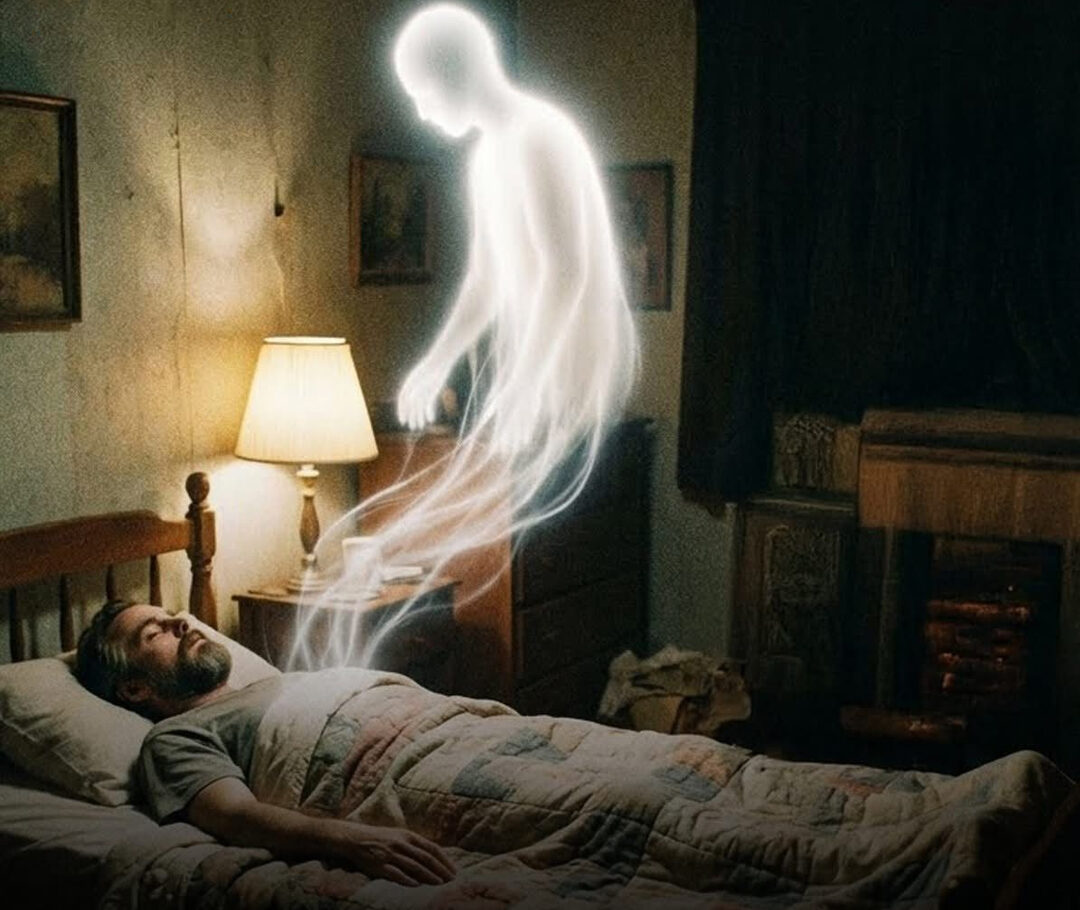

1. A Jacket or Coat They Wore Regularly
One of the most emotionally powerful items in a loved one’s closet is a jacket or coat they wore often. Unlike occasional outfits, these outer layers tend to carry deep personal significance because they were part of everyday life. A coat may have been worn during morning routines, evening walks, family outings, or quiet moments that now live only in memory. Because of this repeated presence, it becomes closely tied to the person rather than just their appearance.
Jackets and coats often retain familiar details that trigger emotional connection. The way the sleeves fold, the weight of the fabric, or even the lining inside can instantly bring back a sense of closeness. For many people, holding or wearing such an item creates a comforting feeling, as if a small part of their loved one is still nearby.
In moments of grief or nostalgia, this type of clothing can provide grounding. It serves as a physical reminder during times when memories feel overwhelming or distant. Even years later, people often regret giving away these items too quickly, realizing that no photograph or keepsake replaces the comfort they once offered.
There is also a symbolic element to outerwear. Coats often represent protection, warmth, and presence. Keeping one can feel like holding onto a sense of safety that the loved one provided in life. This emotional symbolism makes these items far more meaningful than they may initially appear.
Before deciding to discard a frequently worn jacket or coat, it is worth considering its emotional value. Even if it is not kept forever, taking time before making that decision often prevents long-term regret.
2. A Favorite Everyday Shirt or Top
A loved one’s favorite everyday shirt or top is another item people often wish they had not thrown away. These are not formal or special-occasion clothes, but the ones that defined how the person looked and felt on an ordinary day. Because of their simplicity, they are often the most accurate reflection of someone’s true self.
Everyday clothing becomes part of daily routines. A particular shirt may have been worn while cooking meals, relaxing at home, or having casual conversations. These ordinary moments are often the ones remembered most deeply over time, making such clothing emotionally significant.
The fabric of a favorite top often carries a sense of familiarity. Folding it, touching it, or even seeing it can bring back memories of shared laughter, comfort, and presence. People frequently underestimate this emotional connection when sorting through belongings too quickly.
There is also an authenticity to everyday clothing. Unlike special outfits chosen for events, these pieces reflect comfort, personal preference, and identity. Keeping one item like this helps preserve a realistic and heartfelt memory of the person as they truly were.
Many individuals later realize that while decorative items can be replaced, the emotional imprint of a loved one’s everyday clothing cannot. Taking time to decide what to keep can prevent feelings of loss that resurface unexpectedly years later.
3. Clothing With Personal Alterations or Wear Marks
Items of clothing that show signs of wear, repairs, or alterations often hold deeper meaning than brand-new garments. These imperfections tell a story about the loved one’s habits, preferences, and life experiences. A slightly worn collar, a patched sleeve, or adjusted hem can reflect years of use and personal attachment.
Such details reveal how the person lived in their clothes. Perhaps they favored comfort over appearance, or maybe they held onto items longer because of emotional attachment rather than style. These subtle signs create a sense of authenticity that cannot be recreated.
Altered clothing often reflects personal history. Adjustments made to fit their body or lifestyle make the item uniquely theirs. This individuality adds emotional value that mass-produced clothing lacks.
When people discard these items, they sometimes later realize that they threw away something irreplaceable. The worn areas were not flaws but markers of a life lived fully. These details often become more meaningful with time, not less.
Keeping one such piece allows future reflection and remembrance. It preserves the human side of memory—the imperfect, real, and deeply personal aspects that define who someone truly was.
4. A Piece of Clothing Connected to Shared Memories
Some items in a loved one’s closet are tied directly to shared experiences. This might be clothing worn during a memorable trip, a family gathering, or a meaningful life moment. These garments serve as physical reminders of specific memories that words alone may not fully capture.
When such an item is seen or touched, it can instantly transport a person back to that moment. The emotional response is often stronger than recalling the memory without the physical object. This is because the clothing acts as a bridge between the past and present.
People often overlook these items because they appear ordinary at first glance. However, once they are gone, the emotional connection tied to them can feel unexpectedly lost. Memories remain, but the tangible link disappears.
These pieces also carry shared emotional weight. They represent not only the loved one but the relationship itself. Keeping such an item honors both the individual and the bond that existed.
Before discarding clothing connected to shared experiences, it is worth pausing to reflect on what memories it holds. Preserving even one such item can provide lasting comfort and emotional grounding.
5. A Signature Style Item That Defined Them
Many people have a signature clothing item that became part of how others recognized them. This might be a specific type of scarf, sweater, or accessory they wore frequently. Over time, such items become closely associated with their identity.
Signature pieces often reflect personality traits. They may represent creativity, simplicity, warmth, or confidence. Seeing that item can instantly bring the person to mind, even years later.
Throwing away such an item can feel insignificant at first, especially during emotional or practical decision-making. However, people often regret losing that clear visual reminder of who their loved one was.
These items also help preserve identity in memory. They provide a concrete representation that photographs alone may not fully capture. Holding onto a signature piece helps maintain a vivid emotional connection.
Keeping one defining item from a loved one’s closet can serve as a quiet tribute to their individuality. It allows their presence to remain part of everyday life in a subtle, meaningful way.
6. Clothing That Carries Their Natural Scent
One of the most emotionally powerful elements tied to a loved one’s clothing is scent. Even long after someone is gone, certain garments retain a faint, familiar smell that immediately triggers memory and emotion. This sensory connection is often underestimated during the process of sorting and decluttering, yet it can be one of the strongest emotional anchors to a person.
Scent is closely linked to memory. A familiar smell can instantly bring back moments of closeness, comfort, and safety. Clothing that still carries a loved one’s natural scent can provide reassurance during difficult emotional periods, especially when memories feel distant or overwhelming.
People often discard these items quickly, believing scent will fade anyway or thinking it is impractical to keep such clothing. However, many later regret this decision when they realize how grounding and comforting that sensory reminder could have been during moments of grief or reflection.
Unlike photographs or written memories, scent creates an immersive emotional experience. It bypasses rational thought and reaches directly into emotional memory. This makes such clothing uniquely valuable on a deeply human level.
Keeping at least one item that retains this connection can offer quiet comfort during moments when emotional support feels needed most, making it one of the most commonly regretted losses from a loved one’s closet.
7. Clothing They Wore During Important Life Moments
Certain pieces of clothing are tied to meaningful milestones in a loved one’s life. These may include outfits worn during celebrations, personal achievements, or emotionally significant events. While they may not be formal keepsakes, they often carry deep symbolic meaning.
Such clothing represents moments of pride, growth, and shared joy. Seeing or touching these items can bring back vivid memories of the emotions felt during those times. They become reminders not just of the person, but of the life they lived and the moments they valued.
During periods of emotional overwhelm, these garments are sometimes discarded because their significance is not immediately recognized. Over time, however, people often wish they had preserved these tangible reminders of meaningful chapters in their loved one’s story.
These items also help preserve family history. They can serve as conversation pieces that allow stories to be shared with future generations, keeping memories alive in a personal and relatable way.
Taking time to identify and preserve clothing connected to important moments can prevent long-term regret and help honor the depth of a loved one’s life journey.
8. Comfort Clothing They Wore at Home
Comfort clothing often holds more emotional weight than formal attire. These are the clothes a loved one wore while relaxing, resting, or simply being themselves at home. Because these moments were private and genuine, the clothing associated with them can feel deeply personal.
Such garments reflect who the person was when they were most at ease. They may not be stylish or memorable at first glance, but they represent authenticity, warmth, and emotional closeness.
People frequently overlook these items because they seem ordinary or worn. However, their value lies in the emotional memories they hold rather than their appearance. These clothes often remind people of quiet conversations, shared routines, and a sense of normalcy that is deeply missed.
Comfort clothing can also provide emotional grounding. Holding or keeping these items can bring a sense of calm and familiarity during times of emotional stress.
Discarding these pieces too soon often leads to regret, as they represent the everyday presence of a loved one that is hardest to replace or recreate.
9. Clothing That Reflects Their Personality or Hobbies
Some clothing items reflect a loved one’s interests, passions, or personality traits. This may include attire connected to hobbies, creative pursuits, or personal preferences that defined how they expressed themselves.
These garments often tell a story about who the person was beyond their roles or responsibilities. They highlight individuality and personal joy, making them meaningful representations of identity.
Throwing away these items can feel practical in the moment, especially if they seem niche or outdated. However, people often later realize that these pieces were unique expressions of character that cannot be replaced.
Such clothing also helps preserve a fuller memory of the person. It reminds others of what brought them happiness, how they spent their time, and what made them unique.
Keeping even one item that reflects personality or passion allows those qualities to remain present in memory, offering a richer and more complete sense of remembrance.
10. Clothing You Feel Drawn to Keep Without Knowing Why
Sometimes, emotional attachment to a piece of clothing cannot be logically explained. There may be no specific memory, event, or reason—just a strong feeling that the item matters. These intuitive connections are often the most important to honor.
Emotions are not always rational, especially when connected to memory and loss. An unexplained attachment often signals deeper emotional significance that may become clearer with time.
Many people ignore this instinct during decluttering, choosing logic over feeling. Later, they realize that those instincts were meaningful and regret not listening to them.
Clothing that evokes an emotional response, even without a clear explanation, often becomes more valuable over time. It may offer comfort during unexpected moments or help process emotions that surface later.
Trusting intuition during emotionally charged decisions can prevent long-term regret and help preserve what truly matters on a personal level.
11. Clothing That Still Feels “Like Them” When You Touch It
Some pieces of clothing carry an indescribable sense of presence. When you touch them, fold them, or even hold them for a moment, they evoke a strong feeling of familiarity. This reaction is not logical, yet it is deeply emotional. These items often feel like an extension of the person rather than just fabric.
Such clothing may remind you of their posture, the way they moved, or how they interacted with the world. The texture, weight, or structure of the garment can trigger memories that feel almost physical. This connection is subtle but powerful.
People sometimes discard these items because they cannot articulate why they matter. However, the emotional response itself is the reason they hold value. Over time, individuals often regret letting go of clothing that once made them feel close to their loved one.
These pieces can provide comfort during moments of reflection or emotional difficulty. They offer a sense of continuity and presence that cannot be replicated through digital memories.
Honoring this emotional response by keeping such clothing can help preserve a deeply personal connection that grows more meaningful with time.
12. A Piece of Clothing Others Always Associated With Them
Certain clothing items become part of how a loved one was recognized by others. Friends and family may remember them wearing a specific type of sweater, scarf, or outfit that became part of their public identity.
These items often carry shared memories, not just personal ones. When others see or mention the garment, it reinforces collective remembrance and shared experiences.
Discarding such clothing can later feel like erasing a recognizable part of the person’s presence. It may not seem important initially, but its absence can be felt when memories are recalled in conversations or gatherings.
Keeping such an item helps preserve how the person was seen and remembered by the people around them. It maintains a connection between personal memory and shared history.
These pieces often become symbolic, representing not just the individual but the impact they had on others.
13. Clothing That Represents Their Everyday Routine
Routine clothing holds quiet significance. These are the clothes a loved one wore during regular activities like morning routines, household tasks, or daily habits. While they may appear unremarkable, they represent consistency and normalcy.
These garments are closely tied to the rhythm of daily life. They remind people of ordinary moments that often become the most cherished memories over time.
People frequently underestimate the importance of routine-related clothing and discard it without reflection. Later, they may regret losing that tangible link to everyday presence.
Such items often evoke a sense of comfort and familiarity. They remind individuals of shared spaces, sounds, and routines that once defined daily life.
Preserving one piece of routine clothing can help maintain a sense of connection to those quiet, meaningful moments that are often missed the most.
14. Clothing With a Story Behind It
Some garments come with stories that may not be obvious at first glance. These stories may involve how the item was acquired, why it was kept, or what it meant to the person who owned it.
Over time, these stories become more valuable than the clothing itself. They provide insight into experiences, decisions, and emotions that shaped the loved one’s life.
When such items are discarded, the stories attached to them may fade or be forgotten. This loss can feel significant years later when people wish they had tangible reminders of those narratives.
Keeping clothing with a known story helps preserve personal history. It allows memories to be passed down and shared with others in a meaningful way.
These garments become vessels of storytelling, connecting past experiences with present remembrance.
15. Clothing That Reflects a Phase of Their Life
Certain clothing items represent specific stages or transitions in a loved one’s life. This may include clothing associated with a career phase, personal growth, or a significant change in lifestyle.
These pieces symbolize evolution and identity. They remind people of who the person was at different points in time, highlighting their journey rather than a single moment.
Discarding these items can later feel like losing evidence of that journey. While memories remain, the physical reminder of change and growth is gone.
Such clothing helps create a fuller picture of the loved one’s life. It acknowledges complexity and progression rather than a fixed identity.
Keeping one or two items from important life phases can provide meaningful perspective and honor the entirety of their experience.
16. Clothing That Evokes Calm or Comfort When Seen
Some garments bring a sense of peace simply by being present. Seeing them folded or hanging can create a calming emotional response, even without direct interaction.
This reaction often develops over time. What may initially seem insignificant can later become a source of quiet reassurance.
People often regret discarding these items when they realize how much comfort they once provided. Emotional support does not always come from dramatic reminders; sometimes it comes from subtle presence.
These items can serve as emotional anchors during difficult moments. Their presence can help regulate emotions and provide stability.
Recognizing and honoring this calming effect can help preserve sources of emotional well-being that are difficult to replace.
17. Clothing That You Planned to Keep “For Later”
Many people set aside items they intend to revisit later, only to discard them during moments of emotional or practical pressure. These delayed decisions often carry the most regret.
Clothing placed in this category usually holds unresolved emotional significance. The intention to keep it suggests an awareness of its importance, even if the timing felt inconvenient.
When these items are eventually discarded, people often realize they were not ready to let go. The loss may resurface unexpectedly in later years.
Allowing time before making final decisions can help prevent this regret. Emotional readiness is just as important as practicality.
Honoring the need for time and reflection can protect against irreversible decisions made too quickly.
18. Clothing That Represents Shared Identity or Family Connection
Some clothing items symbolize family bonds, shared traditions, or collective identity. These may include garments associated with family events, cultural moments, or shared experiences.
These items represent more than an individual; they reflect connection, belonging, and shared history. Discarding them can feel like losing a piece of collective memory.
Keeping such clothing helps preserve continuity across generations. It allows stories and values to be passed down in tangible form.
These garments often become meaningful heirlooms, even if they were not originally intended to be.
Recognizing their broader significance can prevent regret and help honor shared identity.
19. Clothing That Feels Emotionally “Unfinished”
Some items carry unresolved emotions. These may include clothing associated with conversations left unsaid, plans not completed, or emotions still being processed.
People often avoid these items because they bring discomfort. However, discarding them too quickly can lead to regret once emotions settle.
These garments may later become tools for reflection and healing. They allow space for emotional processing that cannot be rushed.
Holding onto such items until emotions feel more resolved can prevent feelings of loss that emerge unexpectedly.
Emotional readiness should guide decisions about these deeply personal belongings.
20. Clothing That Helps You Feel Connected During Difficult Moments
Ultimately, some clothing items serve a purpose beyond memory. They help individuals feel connected, grounded, and supported during challenging times.
These items may not be worn or displayed. Their value lies in knowing they are there, available when comfort is needed.
Discarding such items can later feel like losing a source of emotional strength. Their absence may be felt most during moments of vulnerability.
Keeping clothing that provides emotional support is a valid and meaningful choice. It honors personal needs and emotional health.
Recognizing this role allows individuals to make decisions rooted in compassion rather than urgency.
Strong Conclusion: Why Some Things Are Worth Keeping
Deciding what to keep from a loved one’s closet is not simply a practical task—it is an emotional process that unfolds over time. Clothing carries memory, presence, and connection in ways that are often underestimated. While it may seem necessary to let go quickly, many people later realize that certain items held far more meaning than they initially understood.
The pieces most often regretted are not always the most valuable or visually striking. They are the ones tied to routine, identity, comfort, and emotional presence. These items serve as quiet reminders of love, connection, and shared life.
Taking time, listening to emotional instincts, and allowing space for reflection can prevent lasting regret. Keeping a few meaningful pieces does not mean holding onto the past—it means honoring it in a way that supports emotional well-being.
In the end, the goal is not to keep everything, but to preserve what truly matters. Thoughtful choices allow memories to remain accessible, comforting, and alive in a way that feels natural, respectful, and deeply human.





- Get link
- X
- Other Apps


Comments
Post a Comment